
Copyright © 2025 Bohemia Bay Studio - All rights reserved.

December 16, 2025
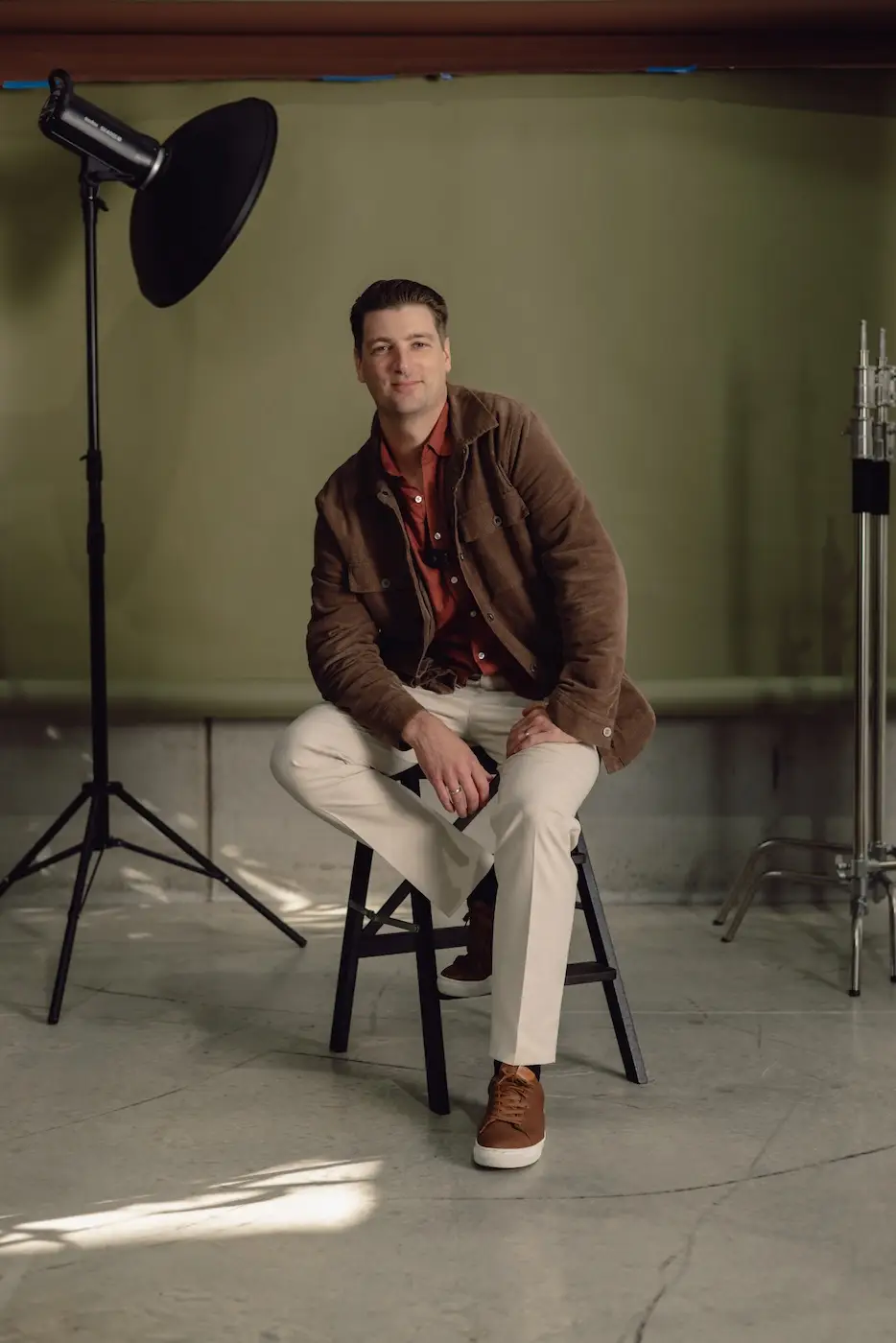
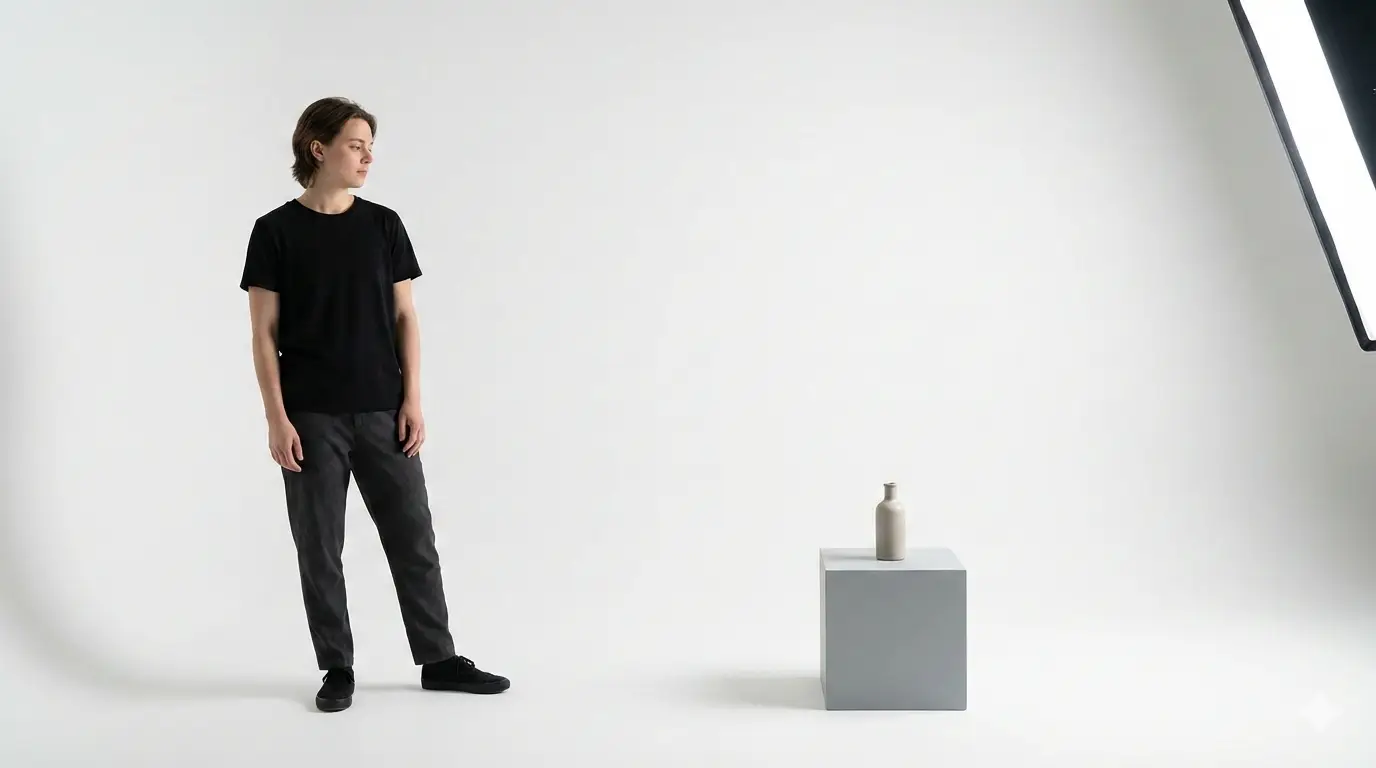
The Rule of Thirds is one of the most fundamental and easy-to-use photography composition rules: imagine a 3×3 grid over your frame and place subjects on the gridlines or at their intersections to create balance and a clear focal point. Used deliberately, it helps you steer the viewer’s eye, dial tension up or down, and tell a cleaner visual story. This guide breaks down how the Rule of Thirds works, shows how to use it for portraits, product shots and fashion, and outlines studio-friendly workflows you can practise in a controlled space. Theory alone rarely produces consistent results — deliberate, studio-based practice that combines grid-aware framing with steady lighting and simple markers does. Below you’ll find definitions and mechanics, genre-by-genre recipes, advanced techniques that pair well with the rule, and hands-on studio exercises — plus specific tips for practising at Bohemia Bay Studio using our self-access space and FlexiBook™ booking system.
The Rule of Thirds is a composition guideline that places key subjects or points of interest along the vertical and horizontal thirds of the frame to create dynamic balance and controlled eye movement. Positioning elements on intersections — often called power points — encourages the viewer to explore the image instead of locking onto the centre, producing more engaging photos. It reduces the dead-centre tension and helps you establish clear foreground, midground and background relationships that support storytelling. This photography composition rule becomes even more effective when paired with intentional negative space and leading lines, which reinforce placement and narrative. Once you understand these mechanics, applying the rule across different genres and seeing how a studio speeds up learning becomes straightforward.
Practising the Rule of Thirds in a controlled studio is especially helpful: grid overlays, repeatable camera positions and consistent lighting make small compositional changes measurable. A practical way to move from theory to results is to book a focused self-access session and test a few variations of subject placement, negative space and modifiers while keeping other variables steady. Practising like this shortens the feedback loop: shift one gridline, shoot, evaluate, repeat. For photographers around Melbourne’s Bayside, Bohemia Bay Studio at Unit 14/337 Bay Road, Cheltenham VIC 3192, provides a well-equipped self-access environment that suits this iterative approach and uses FlexiBook™ for easy online bookings.
At its core, the Rule of Thirds makes images stronger by guiding attention and creating readable tension. When eyes or a primary subject sit near the upper intersections, viewers connect with expression; when a horizon follows the lower or upper third, the frame reads as balanced and intentional. Those small shifts help images feel more professional and deliver your visual message with clarity.
Automatic Composition Recommendations for Portrait Photography using Rule of Thirds
Established compositional techniques — for example, the rule of thirds and considered head orientation — can be used to recommend an optimal field of view that results in an attractive portrait.
Think of the basics as building blocks for all photography composition rules: gridlines, intersections and negative space are the foundation of grid-aware composition. The next step is learning how to make deliberate choices with those blocks so your images hit specific goals — engagement, clarity or a sense of motion — depending on the genre.
The Rule of Thirds strengthens composition by guiding the viewer’s eye along predictable visual paths and by spreading visual weight across the frame so images don’t feel stuck in the centre. Placing key elements on intersections introduces tension and interest; aligning horizons or architectural lines with thirds creates proportion and stability. This approach enhances storytelling because it leaves room — literally negative space — for context, implied motion or direction, which deepens what a single frame can say. Moving a subject off-centre also lets you use leading lines and gaze direction to point the eye, making the image feel intentional rather than accidental. Knowing these psychological and structural effects helps you make smarter creative choices on set, applying this and other photography composition rules effectively.
The core idea is simple: divide the frame into nine equal rectangles with two equally spaced vertical and horizontal lines, and place important elements on those lines or at the four intersections. Most cameras and phones offer a matching grid overlay so you can line up eyes, horizons or products in real time. Practical tips: keep eyes near the top horizontal gridline in portraits, place vertical subjects on a vertical third to suggest motion or direction, and use empty thirds to emphasise scale. Enabling grid overlays, marking floor positions in the studio and using tripods helps you create repeatable compositions you can refine through testing and review.
This foundation naturally leads into how to apply the Rule of Thirds across genres — the next section outlines genre-specific choices and outcomes.
Applying the Rule of Thirds depends on the genre because each objective has different compositional priorities: emotional engagement, product clarity or movement, for example. In studio shoots the rule helps control headroom in portraits, highlight product details for e-commerce and create runway-like flow for fashion. The table below compares genres, what to focus on and a quick practical tip for each.
For portraits, placing the subject’s eyes near an upper-third intersection instantly connects the viewer to expression and intent. Adjust headroom so the eyes sit roughly on the top horizontal gridline, and position the subject off-centre toward a vertical third to give gaze-direction space; that negative space adds narrative weight or suggests movement. Light to separate the face from the background and reinforce the third-based placement with contrast and depth. Small floor markers and a tripod will help you repeat effective placements across multiple frames during a session.
Product photographers should place the main feature — a logo, texture or functional detail — on a grid intersection so attention lands where it matters. Use negative space on one or more thirds to isolate the product and avoid clutter that harms thumbnail clarity. Softboxes and reflectors shape highlights where the eye expects to find them, and tripods with consistent framing keep product shots uniform across a catalogue. These habits improve visual consistency and make product images more effective online.
In fashion, off-centre placement creates momentum and gives garments or motion room to shape the negative space, producing a dynamic frame. Position your model along a vertical third and allow hair, fabric or pose direction to flow into adjacent thirds to imply motion and tell a story. Use studio space and modifiers to layer depth — place the model on a third and use backlights or rim lights to separate them from the background. Practising these setups in a studio helps you refine poses that read well both full-size and when cropped for editorial use.
The Rule of Thirds is a dependable baseline, but pairing it with tools like the Golden Ratio, leading lines or purposeful symmetry gives you more creative control. Think of these techniques as options in a toolkit: use the Rule of Thirds for clear emphasis and readability, the Golden Ratio for organic flow and graceful curves, and leading lines when you need strong directional pull toward the subject. Knowing when to combine or switch techniques keeps your work from feeling formulaic. The short decision framework below helps you choose the best approach for a scene.
Breaking the Rule of Thirds is a conscious creative choice when centring or symmetry gives a clearer or stronger result than an off-centre layout. Centre framing suits formal portraits, hero product shots or scenes where symmetry is the message — it intensifies focus and conveys authority. Choose centred composition when reflection, balance or minimalism are central to your concept, and support the choice with lighting and negative space that enhance the effect. The key is intent: breaking the rule without purpose weakens an image; breaking it with purpose strengthens it.
The Golden Ratio and Fibonacci spiral offer a path to flowing, organic balance that’s great for curves and natural focal points. Leading lines — roads, rails, architecture — literally point the eye to your subject and work in both studio mockups and location shoots. Framing, pattern and repetition establish context and rhythm, and can either support or deliberately contradict the Rule of Thirds depending on the effect you want. Choose the tool that best serves the subject and the story you’re trying to tell.
Bohemia Bay Studio is a self-access, professional space designed for photographers who want to practise composition and refine placement with consistent, repeatable setups. Located at Unit 14/337 Bay Road, Cheltenham VIC 3192, our 160m² shooting area features a 4.5m × 3m square white cyclorama and 8-meter high ceilings. Natural light streams in from a 7-meter south-facing garage door and a north-facing window. Our core features — professional lighting, clean backdrops and a roomy layout — remove background clutter and let you position subjects precisely against imagined gridlines. Booking is via the FlexiBook™ online system, letting you pick short or longer practise sessions. Our rates are: Hourly: $109/hour (2-hour minimum), Half-day: $349 (4 hours), Full-day: $649 (8 hours). All prices include GST. Same rate any day — no weekend surcharges. These practical resources reduce logistical friction so you can focus on iterative learning: frame, test, adjust, repeat.
Why photographers trust us:
Quick note: the table below links studio resources and equipment to the specific compositional benefits they provide, so you can plan setups that address Rule of Thirds goals directly.
Our 4.5m × 3m square white cyclorama and clean backdrops make negative space management simple, so subject placement along thirds becomes instantly visible — a must when you’re refining composition. Our professional lighting kit — softboxes, strip lights and grids — lets you sculpt highlights and shadows to reinforce the focal points you choose on the grid. All equipment is included, with no rental fees. The studio’s 160m² open layout gives room to place foreground elements, the main subject and background details on separate thirds for layered depth. Floor markers and tripods increase reproducibility, letting you recreate exact framing for side-by-side comparisons and steady improvement. Plus, you get 15 minutes early access for setup and 30 minutes pack-down time included free with every booking.
Tripods, rulers and floor markers give mechanical precision so small subject moves correspond predictably to the camera frame — essential when testing how a one-third shift changes perception. Lighting modifiers such as grids or barn doors narrow light spread to accentuate a subject on a power point, while reflectors and fill lights rebalance shadows on adjacent thirds. Backdrops and props control visual weight across divisions, letting you experiment with negative space without moving the camera. These gear-driven affordances make composition experiments efficient and measurable during a focused studio booking. Remember, all equipment is included with your booking, so there are no hidden rental fees.
Composition improves fastest with structured exercises that isolate variables like subject position, lighting and focal length so you learn cause and effect quickly. A simple routine is to run short iterative sessions: shoot a baseline placement, move the subject by one gridline, reshoot and compare; repeat across lighting ratios and lenses to internalise how thirds affect depth and focus. Our self-access model lets you control session length and repeat setups without interruption, enabling the concentrated trial-and-error that speeds progress. Suggested session lengths and booking tips follow to make your practice plan actionable.
Here’s a compact practice plan you can follow during a single studio booking to move from basic placement to more advanced variations.
Self-access hire gives photographers uninterrupted time to test ideas, iterate quickly and practise setups that are hard to run in staffed studios. Control over scheduling allows longer blocks for experimenting with lighting ratios and subject movement without pressure. The ability to mark exact positions and use fixed cameras or tethered setups supports side-by-side comparisons that reveal how small compositional shifts alter perception. That autonomy replaces guesswork with measurable experiments and reproducible results — and it accelerates learning.
Booking is easy via the FlexiBook™ online system, which supports short practice windows and longer sessions. Our rates are: Hourly: $109/hour (2-hour minimum), Half-day: $349 (4 hours), Full-day: $649 (8 hours). All prices include GST. Same rate any day — no weekend surcharges. For focused composition work, many photographers reserve 2–4 hour blocks for warm-up and iterative testing; longer bookings let you build comprehensive before/after comparisons and try more lighting permutations. We offer $0 cancellation or reschedule up to 1 hour before your shoot, and you get 15 minutes early access for setup and 30 minutes pack-down time included free. When you book, bring a tripod, marking tape for floor positions and any props or garments you plan to test to get the most from your time. The studio is open 7am to midnight, 7 days a week, 365 days a year, and our self-access model makes it simple to repeat setups until you achieve consistent, grid-aligned results. Book your session now.
Photographers often ask when the Rule of Thirds matters most, how it connects to visual balance and how subject placement interacts with negative space. Clear, practical answers help you make quick decisions on set: the Rule of Thirds matters when you want readable, dynamic images; it supports balance by spreading visual weight and directing gaze; and negative space can either support or undermine placement depending on how you use it. These short points help you decide faster during fast-paced shoots.
Visual balance is the perceived distribution of weight across a frame — it’s what makes an image feel stable or purposely tense. The Rule of Thirds is a tool for achieving that balance by placing elements on gridlines and intersections. Balance isn’t the same as symmetry: asymmetrical balance uses off-centre elements and counterweights like colour, texture or negative space to find equilibrium. In practice, placing a subject on a power point and balancing it with a subtle prop or light falloff on the opposite third produces images that feel dynamic yet composed. Understanding balance helps you decide whether to reinforce or subvert viewer expectations for expressive effect.
Subject placement sets the narrative focus, while negative space shapes context and tone — together they tell a story in a single frame. Placing a subject on an upper-third intersection and leaving the adjacent third empty can suggest anticipation or movement; filling that space with secondary elements creates contextual richness. Negative space reduces clutter and directs attention to your focal point, making it indispensable for product and minimalist portraits. Use this simple in-studio checklist when working with negative space: clear backgrounds, controlled lighting, deliberate floor or wall markings, and measured prop placement.
Book a focused composition session at our Cheltenham studio. Self-access from $109/hr, all equipment included, and Flexibook means you can reschedule up to 1 hour before if plans change.
Book Studio Time View Equipment
Common errors include leaning too heavily on the grid until compositions become predictable, and overlooking the role of negative space. Photographers also sometimes ignore gaze direction, which changes how a viewer engages with an image. Another slip is not adapting the grid for different orientations (portrait vs landscape), missing opportunities for stronger framing. Treat the Rule of Thirds as a helpful guideline, not a rigid formula — allow room for creative judgment.
You can practise the Rule of Thirds anywhere: visualise the grid in your mind or turn on a grid overlay on your camera. Look for natural subjects to place along the lines or intersections — trees, buildings, people — and try different angles and distances to see how the composition shifts. Regularly review your shots to learn which placements work and why.
Absolutely. In video, placing key elements along gridlines or intersections creates a more engaging picture, just like in stills. Think about subject movement and how it travels through the frame relative to the grid so the composition remains dynamic. Using the rule in motion helps with storytelling and can raise the overall quality of your footage.
Advanced techniques that pair well with the Rule of Thirds include the Golden Ratio, leading lines and framing. The Golden Ratio offers a softer, organic flow; leading lines draw the eye to your subject; framing uses scene elements to create depth. Mixing these tools with the Rule of Thirds gives you more nuanced, compelling images and greater storytelling control.
Lighting is central to making the Rule of Thirds work. The right light highlights elements placed on the grid and draws attention to focal points. Backlighting can create silhouettes that emphasise shapes and placement, while soft, diffused light adds depth and texture. Understanding how lighting interacts with your composition helps you choose subject placement and framing that deliver impact.
No — you don’t have to follow it all the time. The Rule of Thirds is a useful tool for balanced, readable images, but breaking it can produce striking, memorable results. Centre compositions, symmetry or unusual placements can better express certain ideas or emotions. The important thing is to know why you’re choosing a composition and use the rule as a tool, not a constraint.

Explore More Insights from The Studio